Story
Burnham: Rejoining the EU Without a Referendum Would Be "Unthinkable"
Andy Burnham told MPs there is 'no fixed destination' for closer EU ties, but ruled out rejoining without a public vote.
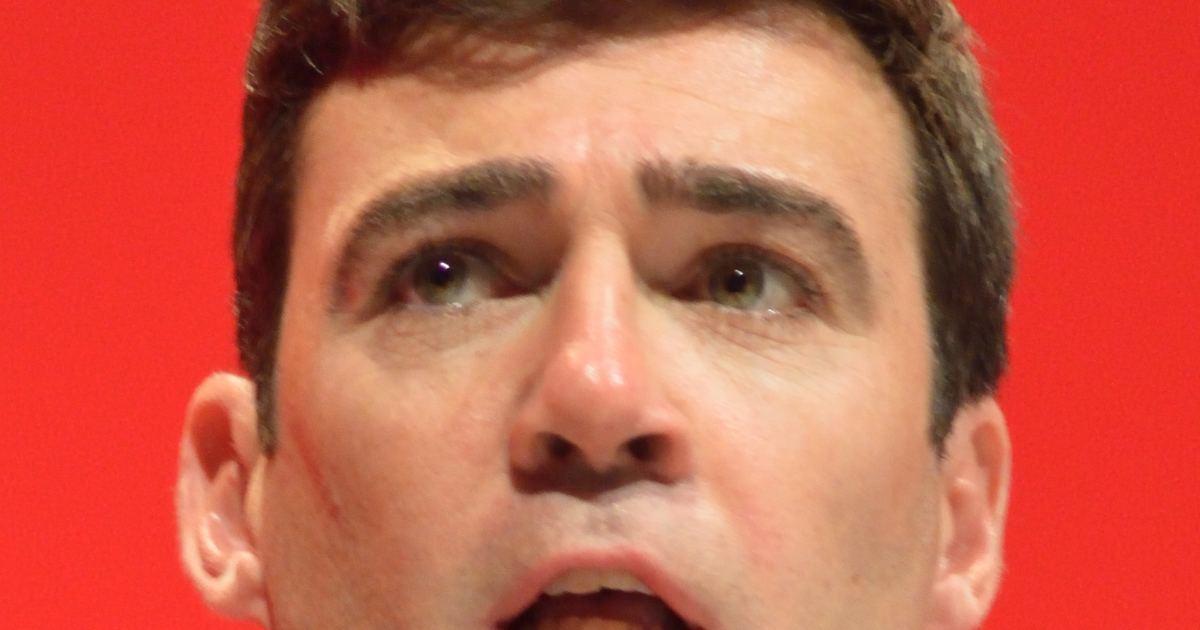
Andy Burnham has, for the first time, ruled out taking the UK back into the European Union without first asking the public in a new referendum.
What happened
On Monday 23 November, the prime minister updated MPs in the House of Commons on the new agreements he signed with the EU at a summit in Brussels on Friday 20 November. Those deals cover British food exports, emissions trading and a youth experience scheme, and they are the latest stage of the government's post-Brexit "reset" with the EU.
During the debate, Conservative MP Sir Bernard Jenkin asked him to confirm it would be unthinkable for any prime minister to take the UK back into the EU without a referendum. Burnham replied: "Yes, it would be unthinkable."
He also said there was "no fixed destination" for talks on closer ties. When another Conservative MP, Sir Edward Leigh, suggested the reset was a step towards rejoining, Burnham told him: "It's not a prelude to anything. It's a pragmatic approach and it will continue to be a pragmatic approach."
According to the BBC, he told MPs that the government's 10-year "plan for Britain", due next month, will look at the "range of options for our long-term relationship with our largest market". He has previously mentioned rejoining the customs union, the single market, or a fresh referendum on full membership as possible future options. However, he has ruled out major changes before the next general election and is sticking to Labour's 2024 manifesto pledge not to return to the single market, customs union or freedom of movement.
The row with former prime ministers
Several former prime ministers have warned Burnham not to reopen the Brexit debate. Burnham said they are "stuck in the past". Conservative leader Kemi Badenoch said he had "oversold" the deal and was "trying to take Britain back to 2015". Liberal Democrat leader Sir Ed Davey welcomed the new agreements, while Reform UK deputy leader Richard Tice called it a "terrible" deal.
Why it matters
Brexit changed a lot for people moving to and living in the UK, from how EU citizens come here to the paperwork on goods crossing the Channel. Monday's comments matter because they draw a clear line: whatever happens with closer ties, full EU membership would need a public vote first. Nothing about the UK's immigration rules has changed because of this statement.
For now, the practical changes come from the deals agreed in Brussels, especially on food trade and a youth experience scheme, and the details of how and when those take effect still need to be set out.
What to watch for
- The "plan for Britain", which the government says will be published next month and will consider options for the long-term UK–EU relationship.
- Details of the youth experience scheme, including who can apply and when. Nothing is open yet.
- The next UK–EU summit, where the results of the "informal exchanges of ideas" are due to be presented.
Any talk of rejoining, a customs union or a new referendum remains a possibility being discussed, not a decision.
Sources
- BBC News: My approach to EU is pragmatic, says Andy Burnham, 23 November 2026
- Politico Europe: Rejoining EU without referendum is 'unthinkable,' says Andy Burnham, 23 November 2026
- ITV News: 'Range of options' for UK-EU relationship and rejoining 'unthinkable' without referendum, PM says, 23 November 2026
A news summary written from public reports and official sources. Check the original sources before you act.