Story
UK Rents Set to Rise Twice as Fast as House Prices Until 2029: What Renters Should Know
A new forecast says rents could rise 14% by 2029 as rental homes get scarcer. Here are the latest figures and what renters can do.
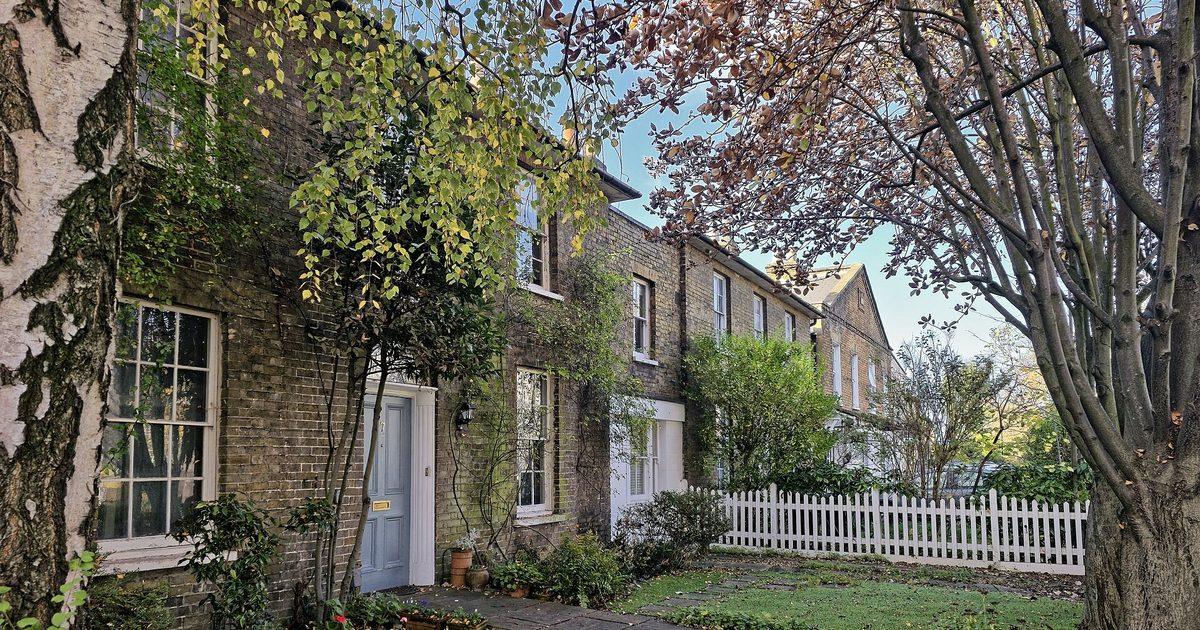
If you rent in the UK, and most people who have recently moved here do, the news this week is not cheerful. A new forecast says rents will keep climbing faster than house prices for years, because there simply are not enough homes to rent.
What happened
On 23 November 2026, the Guardian reported research from the estate agent Hamptons. It forecasts that rents on newly agreed lets across Great Britain will rise by 14.2% between 2026 and 2029, roughly twice as fast as house prices (7.2%) over the same period.
Hamptons expects rent growth to peak at 4.5% in 2027, then slow to about 3.5% in 2028 and 2.5% in 2029. These are forecasts, not guarantees, but they point in one direction.
The main reason is supply. According to the research:
- the number of homes available to rent in October was 26% lower than a decade earlier;
- in London the fall was even sharper, at 39%;
- 10% more people were looking to rent in October than a year earlier.
Hamptons' head of research, Aneisha Beveridge, said: "The central challenge facing the rental market is increasingly one of supply."
What rents look like right now
The latest official figures from the Office for National Statistics (ONS), published on 18 November 2026, show:
- the average UK private rent was £1,411 a month in October 2026, up 3.8% in a year (provisional);
- in England the average was £1,472 (up 4.0%), in Wales £849 (up 3.9%) and in Scotland £1,015 (up 0.7%);
- in England, rents rose fastest in the North West (5.6%) and slowest in the South West (3.3%).
Meanwhile, average UK house prices rose only 1.2% to £273,000 in the year to September, and prices in London actually fell.
Is buying cheaper?
Separate research from Lloyds, also reported by the Guardian, found that monthly mortgage payments on a 95% mortgage were lower than average rents in seven of the UK's 12 big cities outside London, including Glasgow, Newcastle, Bristol, Belfast, Nottingham and Manchester. In other cities, such as Leeds, Liverpool, Birmingham and Cardiff, renting was still cheaper each month.
That does not mean buying is easy. You still need a deposit, a good credit history and, for many visa holders, a lender willing to accept your immigration status.
Who this affects
- New arrivals looking for their first UK home, especially in London and the North West.
- Healthcare and care workers on fixed pay, where rent takes a growing share of income.
- Students and families planning a move in 2027, when rent growth is forecast to peak.
What you can do
- Know your rights. In England, the Renters' Rights Act lets tenants challenge a rent increase they think is above market rate at a tribunal. The Guardian has reported that some big increases are still being approved and delays are growing, so get advice before you apply.
- Budget for rises. If you are renewing in 2027, plan for a higher rent rather than hoping it stays flat.
- Look beyond the obvious areas. Rents vary a lot by region and even by borough. Check the ONS local rent figures before you commit.
- Build your credit file from day one: register on the electoral roll if you are eligible, pay bills on time and keep a UK bank account in good standing. It helps if you want to buy later.
- Never pay a deposit for a property you have not seen or to someone you cannot verify. Rental scams target newcomers.
Sources
A news summary written from public reports and official sources. Check the original sources before you act.