Story
US Inflation Is 'Too High', Says Top Fed Official, as a December Rate Rise Comes Into View
New York Fed president John Williams says there is still work to do on inflation, with markets expecting a US rate rise on 8–9 December. Here's what it means.
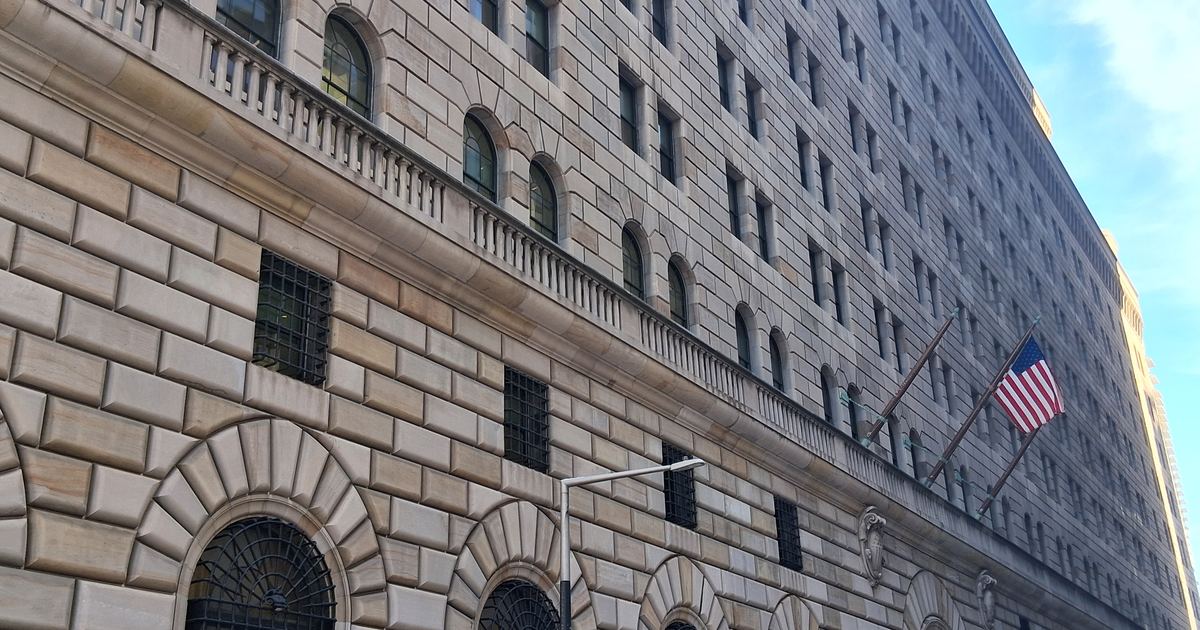
One of the most senior officials at the US Federal Reserve has said American inflation is still too high and that the central bank has more work to do to bring it down, a strong hint that US interest rates could rise again next month.
John Williams, president of the Federal Reserve Bank of New York, set out his view in a speech in New York on Monday 23 November 2026. CNBC described it as likely to be the last major policy statement from a Fed official before the next decision.
What Williams said
Williams said inflation is running at about 3.5%, well above the Fed's 2% target. He blamed an unusual mix of pressures: tariffs, higher energy and commodity prices linked to conflict in the Middle East, and strong demand for goods tied to the artificial intelligence (AI) building boom. He said the effect of tariffs has largely faded.
“There is still work to do to get that done,” he said, referring to getting inflation back to 2% in a timely and lasting way. He did not say directly what the Fed should do in December, and CNBC notes that he favours a measured approach rather than sudden, large moves.
His forecasts were fairly upbeat on the wider economy. He expects US growth of about 2.75% this year and a similar pace next year, and unemployment, now 4.1% according to Reuters, to edge down to about 4%. He expects inflation to slow to just above 2% next year and to reach the target in 2028.
What happens next
The Fed's rate-setting committee meets on 8 and 9 December. Its main rate is currently in a range of 3.75% to 4%. Reuters and CNBC both report that markets expect a rise of a quarter of a percentage point. The Fed last raised rates in September.
A business survey published the same day pointed in two directions. S&P Global's flash US composite PMI fell to 54.6 in November, a four-month low, from 55.9 in October, Reuters reported. Any reading above 50 means activity is still growing, but the survey also found price pressures remain high.
This is also a short week in the US because of Thanksgiving on Thursday 26 November. On Wednesday, the US is due to publish an updated estimate of growth for July to September and the October PCE figures, the Fed's preferred measure of inflation.
Why it matters in the UK
US interest rates affect far more than America. When the Fed raises rates, the dollar often strengthens, and global borrowing costs can rise with it. That can feed into what UK lenders charge over time and into the exchange rates people get when they send money abroad. Many Nigerian and other African families in the UK will notice this when they send money home. None of this changes overnight, and the Bank of England sets UK rates separately, based on conditions here.
What to watch for
- Wednesday's PCE inflation and growth figures.
- The Fed's decision on 9 December, and what officials say about rates in 2027.
- How the pound moves against the dollar if the Fed does raise rates.
Sources
- Federal Reserve Bank of New York, John C. Williams, The Economic Mixdown, 23 November 2026.
- CNBC, Fed's John Williams indicates higher interest rates likely 'over time' to address inflation, 23 November 2026.
- Reuters via Investing.com, Fed has 'work to do' to lower inflation, Williams says, 23 November 2026.
- Reuters via Investing.com, US business activity growth eases further in November, survey shows, 23 November 2026.
- Morningstar, What's Happening in the Markets This Week, 20 November 2026.
A news summary written from public reports and official sources. Check the original sources before you act.